


The Japanese have a single word kaizen for constant and never-ending improvement. The basic philosophy is, if all you do is improve one tiny aspect of your life every single day, you will achieve mastery in uncommon time.
This is how I approach the Java glossary, just constantly pruning it and working to fix the thing about it I like least, in many small changes. I invite you to make your requests. You may have noticed my ongoing program to gradually replace the current ugliest icon on the site.
| CANI Strategy For Writing Computer Programs | |
|---|---|
| Strategy | Advantage |
| Write the simplest possible application first. Leave out all but the absolutely necessary features. Leave out the UI (User Interface). Fake the UI with hard coded data initialisation. | If you implement a bare minimum to start, you find out about any show-stoppers early on. |
| Make and maintain a to do list of the most irritating things about your program. Weight flaws easy to fix slightly higher than they would normally place. Missing features go in the list as well, based on how irritating it is not to have them. | The process of improvement is endless. Whenever you have time to spend improving the program, you continue the same process. You can maintain that to do list any time you think of an improvement. Conceptually, the program is never finished. |
| Fix one problem at a time, working your way down the list. |
|
| Write Javadoc before you write the code. | Before you write the code and as you write the code is the time you are most aware of the alternative ways a method might be implemented. Now is the time to document that and disabuse the reader of the other possibilities. |
| Refactor as you go. |
|
| If you have users, show them your protypes and alpha versions, not just the finished product. | Early experience with the prototype will make you and your users smarter. The experience will inspire you to think of new features and discard or modify ones you planned to implement. It is better to find out about changes early before you waste time implementing. |
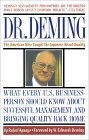 |
recommend book⇒Dr. Deming: The American Who Taught the Japanese About Quality | |||||||||||||||||||||||||||||||||||||||||||||||||||||||
| by | Rafael Aguayo, W. Edwards Deming | 978-0-671-74621-6 | paperback | |||||||||||||||||||||||||||||||||||||||||||||||||||||
|---|---|---|---|---|---|---|---|---|---|---|---|---|---|---|---|---|---|---|---|---|---|---|---|---|---|---|---|---|---|---|---|---|---|---|---|---|---|---|---|---|---|---|---|---|---|---|---|---|---|---|---|---|---|---|---|---|
| publisher | Fireside | 978-0-8184-0519-8 | hardcover | |||||||||||||||||||||||||||||||||||||||||||||||||||||
| published | 1991-09-15 | B003VIX1AY | kindle | |||||||||||||||||||||||||||||||||||||||||||||||||||||
| One of the most most thought provoking books ever. | ||||||||||||||||||||||||||||||||||||||||||||||||||||||||
| ||||||||||||||||||||||||||||||||||||||||||||||||||||||||
| Greyed out stores probably do not have the item in stock. Try looking for it with a bookfinder. | ||||||||||||||||||||||||||||||||||||||||||||||||||||||||
 |
This page is posted |
http://mindprod.com/jgloss/cani.html |
Optional Replicator mirror
|
J:\mindprod\jgloss\cani.html | |
 |
Please read the feedback from other visitors,
or send your own feedback about the site. Contact Roedy. Please feel free to link to this page without explicit permission. | |
| Canadian
Mind
Products
IP:[65.110.21.43] Your face IP:[3.138.105.31] |
| |
| Feedback |
You are visitor number | |


