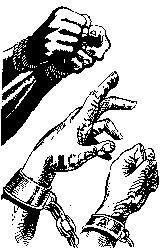


We poison, gas, trap and kill them with zero regard to how much suffering we inflict. It does not matter because these animals are pests stealing our food. They deserve suffering. Technology such as sterilising male screw flies exist that effectively and humanely reduce pest populations, but we prefer to use ones that cause maximal suffering, taking revenge I guess.
We use the same blather that our forefathers used to justify mistreating slaves. Slaves have no souls, therefore they cannot feel pain, they just appear to feel it. Slaves are not intelligent like us. We are more important than slaves. It is only fitting to sacrifice the welfare of a slave for the well being of a human. Slaves have no rights in the law, so it is preposterous to talk of the rights of slaves. Slaves are chattels. It is nobody’s business what you do with your own property.
Some of the same rhetoric used to justify the persecution of native peoples pervades the justification for the torture and exploitation of animals and expropriating their habitats. Heathens don’t have souls. They are just savages, not civilised like us. They are inferior in intelligence. The only good Injun is a dead Injun.
It is only a matter of time until we recognise the right of all species to coexist with man, unmolested.
At some point more direct action may seem appropriate, freeing slaves, smashing slaving equipment and harming slavers, but for now I am almost as caught as my fellows in the trance of feeling foolish about my squeamishness over sadism to animals.
People put up with these horrible practices because they buy on price alone. Perhaps if such products were labeled with pictures of the suffering used to produce them, people would be more willing to pay a little more for humane food production. Perhaps one could insert pictures inside the egg cartons to wake people up.
Doctors have discovered you can all but eliminate the danger of heart attacks and stroke by dropping meat, chicken, fish, milk and cheese from your diet. This is a pretty drastic change for most people. However, even a 25% cut is your consumption of these foods will give you significantly better odds of beating a heart attack. Even a famous fast-food addict like President Clinton was able to cut his consumption to one quarter-sized piece of turkey every two years. He reported a massive boost in energy, which is his main motivation now, rather than fear of heart attack.
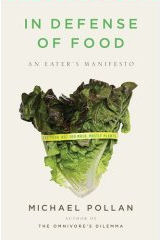 |
recommend book⇒In Defense of Food | |||
| by | Michael Pollan | 978-1-59413-332-9 | paperback | |
|---|---|---|---|---|
| birth | 1955-02-06 age:63 | 978-1-59420-145-5 | hardcover | |
| publisher | Penguin | 978-1-101-14738-2 | eBook | |
| published | 2008-01-08 | 978-1-4159-4492-9 | audio | |
| B000VMFDR2 | kindle | |||
| About the effect of the industrialisation of food on health and the environment. To summarise: eat food, not too much, mostly plants. | ||||
| Greyed out stores probably do not have the item in stock. Try looking for it with a bookfinder. | ||||
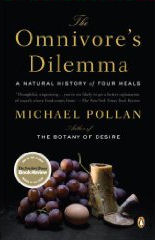 |
recommend book⇒The Omnivore’s Dilemma: A Natural History of Four Meals | |||||||||||||||||||||||||||||||||||||||||||||||||||||||
| by | Michael Pollan | 978-0-14-303858-0 | paperback | |||||||||||||||||||||||||||||||||||||||||||||||||||||
|---|---|---|---|---|---|---|---|---|---|---|---|---|---|---|---|---|---|---|---|---|---|---|---|---|---|---|---|---|---|---|---|---|---|---|---|---|---|---|---|---|---|---|---|---|---|---|---|---|---|---|---|---|---|---|---|---|
| birth | 1955-02-06 age:63 | 978-1-59420-082-3 | hardcover | |||||||||||||||||||||||||||||||||||||||||||||||||||||
| publisher | Penguin | 978-1-101-14717-7 | eBook | |||||||||||||||||||||||||||||||||||||||||||||||||||||
| published | 2007-08-28 | 978-0-14-305841-0 | audio | |||||||||||||||||||||||||||||||||||||||||||||||||||||
| B000SEIDR0 | kindle | |||||||||||||||||||||||||||||||||||||||||||||||||||||||
| Get a deeper understanding of what the various foods you may eat are made of and how they are manufactured. | ||||||||||||||||||||||||||||||||||||||||||||||||||||||||
| ||||||||||||||||||||||||||||||||||||||||||||||||||||||||
| Greyed out stores probably do not have the item in stock. Try looking for it with a bookfinder. | ||||||||||||||||||||||||||||||||||||||||||||||||||||||||
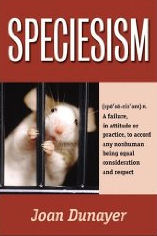 |
recommend book⇒Speciesism | |||
| by | Joan Dunayer | 978-0-9706475-6-6 | paperback | |
|---|---|---|---|---|
| birth | 1940-11-25 age:77 | |||
| publisher | Lantern | |||
| published | 2004-10-30 | |||
| Dunayer presents compelling scientific evidence for the sentience of invertebrates. This is also a book about animal cruelty and the human way of dismissing the pain they cause for animals. | ||||
| Greyed out stores probably do not have the item in stock. Try looking for it with a bookfinder. | ||||
 |
This page is posted |
http://mindprod.com/animalrights/animalslaves.html |
Optional Replicator mirror
|
J:\mindprod\animalrights\animalslaves.html | |
 |
Please read the feedback from other visitors,
or send your own feedback about the site. Contact Roedy. Please feel free to link to this page without explicit permission. | |
| Canadian
Mind
Products
IP:[65.110.21.43] Your face IP:[216.73.217.34] |
| |
| Feedback |
You are visitor number | |


